
Author: GunjanK-Admin

  • Are 10-Minute Workouts Actually Effective? ( Spoiler: Yes, and Here’s Why)

    We have all been told the same fitness myth: if you aren’t spending an hour sweating at the gym, it doesn’t count.

    When you are juggling early morning lectures, a chaotic 9-to-5 corporate shift, or just trying to figure out where to start with fitness, finding a spare hour feels impossible. It is exhausting just thinking about it.

    But here is a refreshing truth from your friends at Nudge: you do not need an hour to make a difference.

    If you have 10 minutes today, you have enough time to get a highly effective, health-boosting workout. Let’s break down the science of why short bursts of movement actually work, and how they can help you build a sustainable routine without the overwhelm.

    The Science: Why 10 Minutes is a Big Deal

    It sounds too good to be true, but science is completely on the side of short workouts. Research into Micro-workouts and HIIT (High-Intensity Interval Training) shows that breaking your exercise into smaller chunks throughout the day can offer incredible benefits:

    • Boosts Cardiovascular Health: A focused 10-minute session gets your heart pumping, improving your oxygen consumption and stamina over time.
    • Fires Up Your Metabolism: Short, intense bursts of movement kickstart your metabolism, helping your body burn energy efficiently even after you stop moving.
    • Enhances Mental Clarity: Stuck in a midday slump? A quick 10-minute movement break releases endorphins, cutting through brain fog and lowering stress levels.

    How to Make Your 10 Minutes Count

    To get the most out of a short workout, the secret is focus and intentionality. You don’t need fancy equipment or a gym membership. Here is how to structure it:

    1. Keep it continuous: Keep your rest periods short (around 15–20 seconds) between movements to keep your heart rate up.
    2. Focus on full-body movements: Choose compound exercises that use multiple muscle groups at once. Think bodyweight squats, jumping jacks, lunges, and planks.
    3. Give it your full energy: Because the time is short, bring your full focus to those 10 minutes.

    A Quick 10-Minute Routine to Try Today

    Ready to try it right now? No equipment needed. Do each exercise for 45 seconds, followed by 15 seconds of rest. Repeat the entire circuit twice!

    • Minute 1 & 6: Bodyweight Squats (Great for lower body strength)
    • Minute 2 & 7: Jumping Jacks (Gets the heart rate up)
    • Minute 3 & 8: Incline Push-ups or Knee Push-ups (Builds upper body strength)
    • Minute 4 & 9: Alternating Reverse Lunges (Improves balance and core stability)
    • Minute 5 & 10: Plank Hold (Strengthens your core and posture)

    The Bottom Line

    Wellness isn’t an all-or-nothing game. You don’t need to completely upend your life or exhaust yourself to be healthy. Your fitness journey starts exactly where you are today—and sometimes, it starts with just 10 minutes.

    Give it a shot today. Your mind and body will thank you!
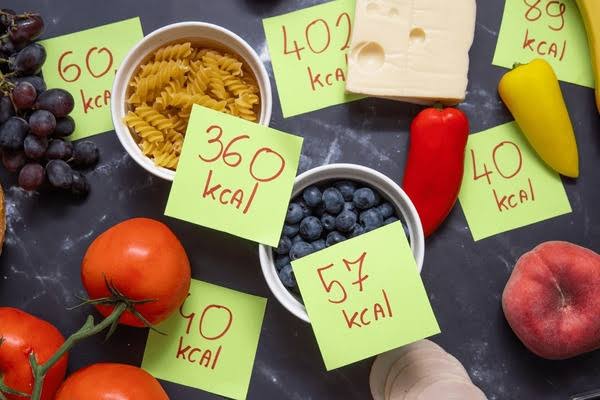
  • Demystifying Calories – How to Track Them Without Losing the Joy of Food

    Let’s be honest: stepping into the world of fitness can feel a lot like trying to read a map written in a different language. Everywhere you look online, there are intense phrases like “caloric deficit,” strict rules, and aggressive reminders telling you to “burn off” your dinner.

    If you are feeling a little overwhelmed by it all, take a deep breath. You’re exactly where you need to be.

    At NUDGE, we believe wellness shouldn’t feel like a punishment, and it definitely shouldn’t require a degree in nutrition. Healthy living is built on small, manageable lifestyle changes, not rigid rules or starving yourself. Today, let’s strip away the confusing jargon and break down the absolute basics of what calories actually are.

    What Exactly is a Calorie? (Without the Guilt)

    In standard fitness culture, calories are often treated like the villain. But in reality? Calories are just energy.

    Think of your body like a smartphone. For your phone to send messages, stream videos, and run its apps, it needs battery power. Calories are simply the battery power your body needs to walk, breathe, sleep, and think.

    When we talk about “tracking calories,” it isn’t about restricting yourself or feeling guilty after eating a favorite meal. It’s simply about understanding how much energy you are putting into your body versus how much energy your body uses up in a day. It’s about being calorie-conscious while completely maintaining the great taste of your daily meals.

    3 Simple Ways to Start Tracking (Stress-Free)

    If you want to start tracking, you don’t need to overcomplicate things. Here is a practical, gentle way to begin:

    • Use a simple App: You don’t need to do complex math. Free, beginner-friendly apps have massive databases of everyday Indian foods
    • Log to Learn, Not to Judge: Start by just logging what you eat normally for three to four days without trying to change anything. This gives you a clear, honest baseline of your current habits.
    • Focus on Portion Awareness: You don’t need to buy a digital kitchen scale on day one. Just start noticing standard measurements—like a tablespoon of cooking oil, a standard katori (bowl) of curd, or a cup of cooked rice.

    Small Steps, Lasting Changes

    True wellness is long-term. You don’t need to hit your perfect calorie targets starting tomorrow morning.

    This week, just focus on becoming aware of what’s on your plate. Notice your portions, enjoy your food mindfully, and listen to your body’s natural hunger cues. You’ve got this, and we’re right here with you every step of the way.