Author: Bhoomi Tamrakar

  • What Are the Most Effective Ways to Boost Immunity?

    Simple, science-backed habits that actually work — and fit into Indian everyday life
    You have probably noticed it. Some people around you catch every cold that is going around, while others barely sniffle. Some bounce back from exhaustion quickly. Others drag it out for weeks. The difference often comes down to one thing: how well their immune system is functioning.

    The good news is that your immune system is not fixed. It responds directly to how you eat, how you sleep, how much you move, and how you manage stress. And you do not need expensive supplements or complicated protocols to make a meaningful difference.

    Here are the most effective, evidence-backed ways to build a stronger immune system — starting today, from where you are.

    1. Eat More Immunity-Boosting Foods (Your Kitchen Already Has Them)

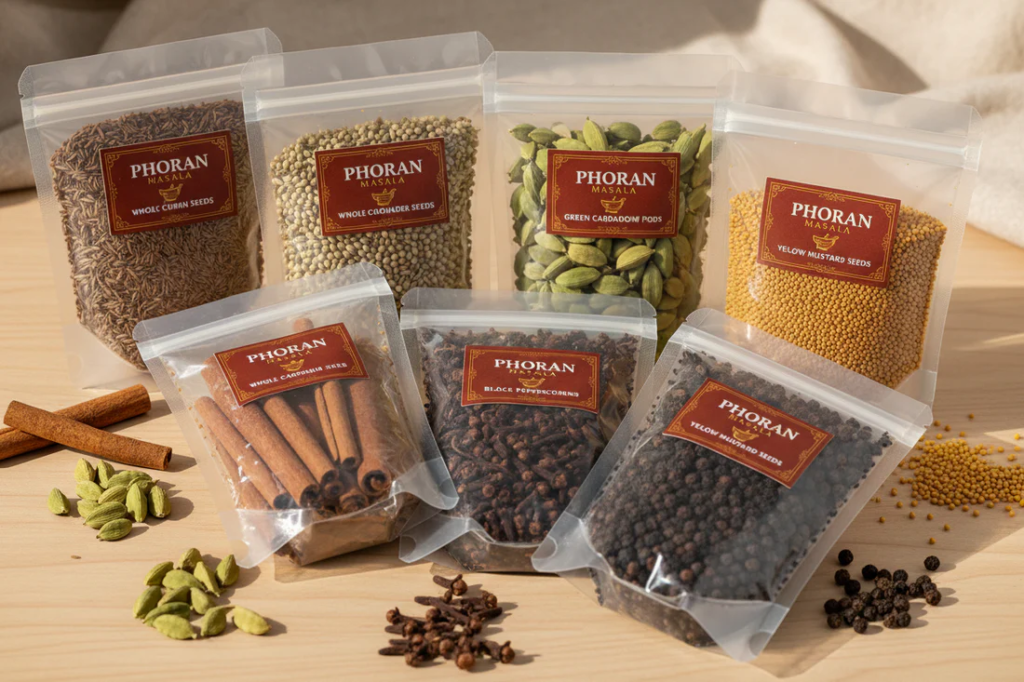
    Before you reach for a supplement, look at your kitchen. Indian cooking is built on some of the most powerful immune-supporting ingredients in the world — most of us just do not realise it.

    The Immunity Powerhouses in Your Indian Kitchen

    • Haldi (Turmeric) Curcumin, the active compound in turmeric, is one of nature’s most potent anti-inflammatory and antioxidant agents. A simple haldi doodh at night can make a real difference.
    • Adrak (Ginger) Ginger has natural antiviral and anti-inflammatory properties. Fresh adrak chai in the morning? That is medicine, not just comfort.
    • Amla (Indian Gooseberry) One small amla contains more Vitamin C than many oranges. Raw, pickled, or as juice — all forms work.
    • Lehsun (Garlic) Allicin in garlic actively helps the body fight infections. Use it raw or lightly cooked for maximum benefit.
    • Citrus Fruits Nimbu, orange, and mosambi are rich in Vitamin C, which directly supports the production of white blood cells.
    • Spinach and Methi Leafy greens are loaded with folate, Vitamin C, and antioxidants that keep immune cells healthy.
    💡  Nudge Tip You do not need to overhaul your diet overnight. Just start by adding one immunity-boosting ingredient to what you already eat. A squeeze of nimbu on your dal. A pinch more haldi in your sabzi. Small additions, real results.

    2. Fix Your Gut — Your Immunity Lives There

    Here is something that surprises most people: roughly 70% of your immune system lives in your gut. The trillions of bacteria in your digestive system play a direct role in how well your body fights off infections and inflammation.

    When your gut bacteria are healthy and balanced, your immune response is stronger. When they are disrupted — by poor diet, antibiotics, or stress — your immunity takes a hit.
    How to Support Your Gut for Stronger Immunity

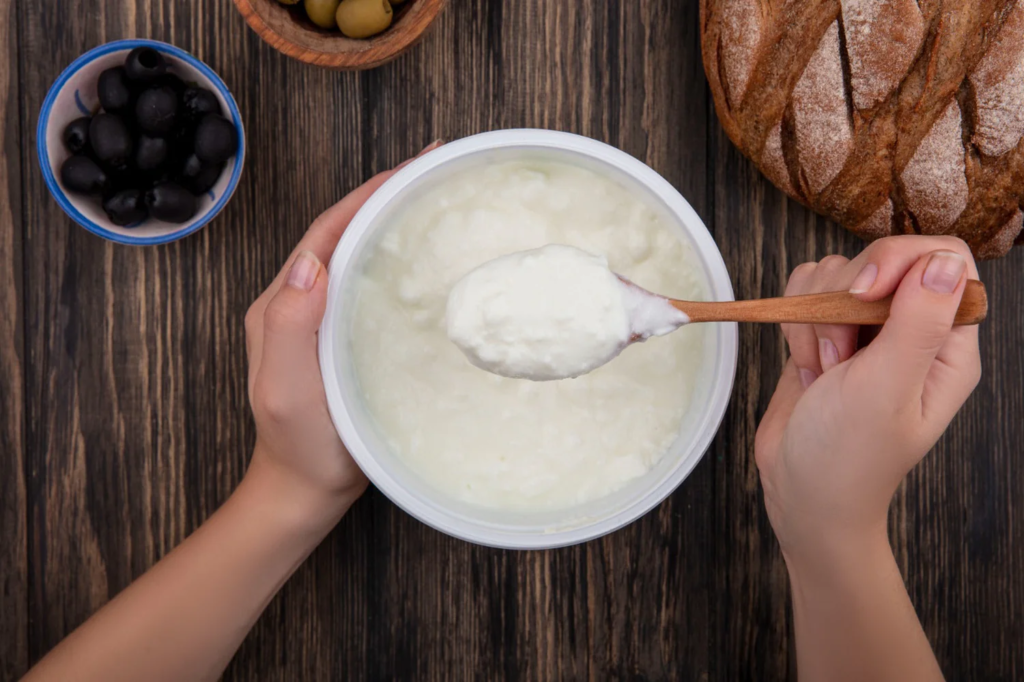
    • Eat curd (dahi) every day It is India’s original probiotic. One bowl of fresh homemade curd with your lunch is one of the most powerful things you can do for your gut.
    • Add fermented foods Idli, dosa, kanji, and homemade achaar are naturally fermented and rich in beneficial bacteria.
    • Eat more fibre Dal, sabzi, fruits, and whole grains feed the good bacteria in your gut. They need fibre to thrive.
    • Cut back on ultra-processed food Packaged snacks, sugary drinks, and excessive refined flour disrupt gut bacteria over time.
    ⚠️  What Most People Miss Probiotic supplements are not always necessary. If you are eating fresh homemade curd daily and a fibre-rich Indian diet, you are already doing a lot for your gut health.

    3. Sleep Is Not Optional — It Is When Immunity Is Built

    Sleep is the most underrated immune booster there is. While you sleep, your body produces and releases cytokines — proteins that actively fight infection and inflammation. Without enough sleep, your body produces fewer of them.

    Studies consistently show that people who sleep less than six hours are significantly more likely to get sick when exposed to a virus than those who sleep seven to eight hours.

    Simple Sleep Habits That Make a Difference

    • Aim for 7 to 8 hours every night, not just on weekends.
    • Keep a consistent sleep and wake time, even on holidays. Your body thrives on rhythm.
    • Avoid screens for 30 minutes before bed. The blue light suppresses melatonin, your sleep hormone.
    • A warm glass of haldi doodh before bed can actually help — it is calming and supports sleep quality.
    • Keep your room cool and dark. Your body temperature naturally drops during sleep and needs that environment.
    💡  Nudge Tip If you find yourself waking up tired consistently, start by fixing your wake time first. Set a fixed alarm, get up at the same time every day for two weeks, and let your sleep cycle naturally reset. It is the simplest sleep intervention that actually works.

    4. Move Your Body — Even a 30-Minute Walk Counts

    You do not need an intense gym routine to boost your immunity. In fact, excessive high-intensity exercise without recovery can temporarily suppress it. What the research consistently shows is that moderate, regular movement is the sweet spot.

    What Counts as Immunity-Supportive Exercise?

    • A brisk 30-minute walk every day — arguably the single best thing you can do for overall health.
    • Light yoga, especially Pranayama (breathing exercises), which directly supports lung health and stress reduction.
    • Cycling, swimming, or any activity that gets your heart rate up without exhausting you.
    • Even 10-minute walks after meals add up and help regulate blood sugar, which affects immune function.

    Exercise improves circulation, which means immune cells travel more efficiently through the body. It also reduces inflammation and helps you sleep better — both of which directly boost immunity.

    5. Manage Stress Before It Manages You

    Chronic stress is one of the most powerful suppressors of the immune system. When you are under sustained stress, your body produces cortisol — a hormone that, in high amounts over time, actively reduces the effectiveness of your immune response.

    This is why people often fall sick right after a stressful period at work or after exams. The body held it together under pressure and then crashed when cortisol levels dropped.

    Practical Stress Management That Actually Fits Indian Life

    • 5 minutes of deep breathing or Anulom Vilom pranayama in the morning makes a measurable difference.
    • Step outside for a walk when you feel overwhelmed. Fresh air and movement together drop cortisol fast.
    • Limit doomscrolling. News and social media in excess are a chronic stress trigger many people overlook.
    • Talk to someone. Social connection is one of the most powerful natural stress relievers.
    • Protect your rest time. Saying no to one unnecessary commitment is self-care, not selfishness.
    💡  Nudge Tip You do not need a meditation app or 30-minute practice to get started. Just three deep, slow breaths before a meal — inhale for 4 counts, hold for 4, exhale for 6 — is enough to activate your parasympathetic nervous system and reduce cortisol.

    6. Stay Hydrated — Water Is an Immune System Worker

    Water does not directly kill viruses, but it plays a critical supporting role in immunity. It helps your kidneys and lymphatic system flush out toxins, keeps mucous membranes moist (your body’s first line of physical defence), and ensures immune cells can travel freely through the bloodstream.

    Hydration Habits Worth Building

    • Drink 8 to 10 glasses of water a day. More if you are active or in a hot climate.
    • Start your morning with a glass of warm water with nimbu — it kickstarts digestion and hydration together.
    • Herbal drinks like tulsi chai, jeera water, or ginger water hydrate while also providing immune-supportive compounds.
    • Limit sugary drinks and packaged juices. They spike blood sugar and offer little real hydration.

    What Actively Weakens Your Immunity (And Is Worth Reducing)

    Building immunity is not just about what you add — it is also about reducing what works against you.

    What Weakens ImmunitySimple Alternative
    Too much sugarReplace with jaggery, dates, or fruit
    Chronic sleep deprivationFix one sleep habit at a time
    Sedentary lifestyleStart with a 10-min walk after dinner
    Excess alcoholSwap one drink for nimbu pani or jeera water
    SmokingSeek support — even cutting down helps
    Chronic stress unmanaged3 deep breaths, every single day

    Your 7-Day Immunity Reset — No Supplements Needed

    Pick just two or three of these to start with. Do not try to do everything at once.

    DayOne Small Action
    Day 1Start the morning with warm nimbu pani before chai
    Day 2Add haldi to one meal — dal, sabzi, or a warm glass of milk at night
    Day 3Sleep 30 minutes earlier than usual. Set a fixed alarm.
    Day 4Take a 20-minute walk after dinner. No phone, just movement.
    Day 5Eat one bowl of fresh homemade dahi with lunch
    Day 6Do 5 minutes of Anulom Vilom breathing in the morning
    Day 7Reflect: Which of these felt sustainable? Keep those going.

    Immunity is not a destination you arrive at. It is something your body maintains every single day based on the choices you make — what you eat, how you sleep, whether you move, how you handle stress.

    The good news is that your body responds quickly to positive changes. Even one week of better sleep, more hydration, and a little movement can create a noticeable shift in how you feel.

    You do not need to do everything perfectly. You just need to start.

    That is the Nudge way — small steps, done consistently, lead to real change.

    NUDGE — Wellness that fits your real life.
  • How to Prep Five Days of Healthy Lunches Without Them Going Soggy

    Storage hacks + ingredient layering techniques for real life

    Picture this: it’s Tuesday afternoon and you finally open the lunch box you prepped on Sunday with so much hope and enthusiasm. You were going to be healthy this week. You had a plan. And now you’re staring at a sad, soggy mess where your beautiful kachumber salad used to be.

    Sound familiar? You are not alone.

    Meal prepping lunches is one of the smartest moves you can make for your health, your wallet, and your weekday sanity. But there’s one thing nobody tells beginners clearly enough: how you store food matters just as much as what you cook. The wrong container or the wrong stacking order can turn a genuinely nutritious lunch into a soggy, unappetising disaster.

    This guide will fix that. By the time you finish reading, you will know exactly how to prep five days of fresh, flavourful lunches that actually hold up from Sunday to Friday.

    Why Does Meal Prep Food Go Soggy in the First Place?

    Before we fix the problem, let’s understand it. Food gets soggy for two main reasons:

    • Moisture migration – wet ingredients release water over time, and that water travels to drier ingredients like roti, grains, or bread, making them limp and unpleasant.
    • Steam trapped in containers – warm food sealed in airtight boxes creates condensation, which drips back onto everything and adds unwanted moisture.

    The good news? Both are completely avoidable with a few simple tricks.

    Rule 1: Always Cool Food Before Sealing

    This is the most overlooked step. When you pack hot food into a container and seal it immediately, the steam has nowhere to go. It condenses on the lid and rains back down onto your food.

    The fix is easy: let your cooked food cool at room temperature for 20 to 30 minutes before closing the lid. If you are in a hurry, spread it out on a plate or tray so it cools faster.

    💡 Nudge Tip Even 15 minutes of cooling time makes a massive difference to texture. Set a timer and use that time to portion other ingredients.

    Rule 2: The Layering Technique That Changes Everything

    Think of your lunch box like a carefully arranged thali, not a pile. The order in which you place ingredients determines how well they hold up over five days.

    The Correct Order (Bottom to Top)

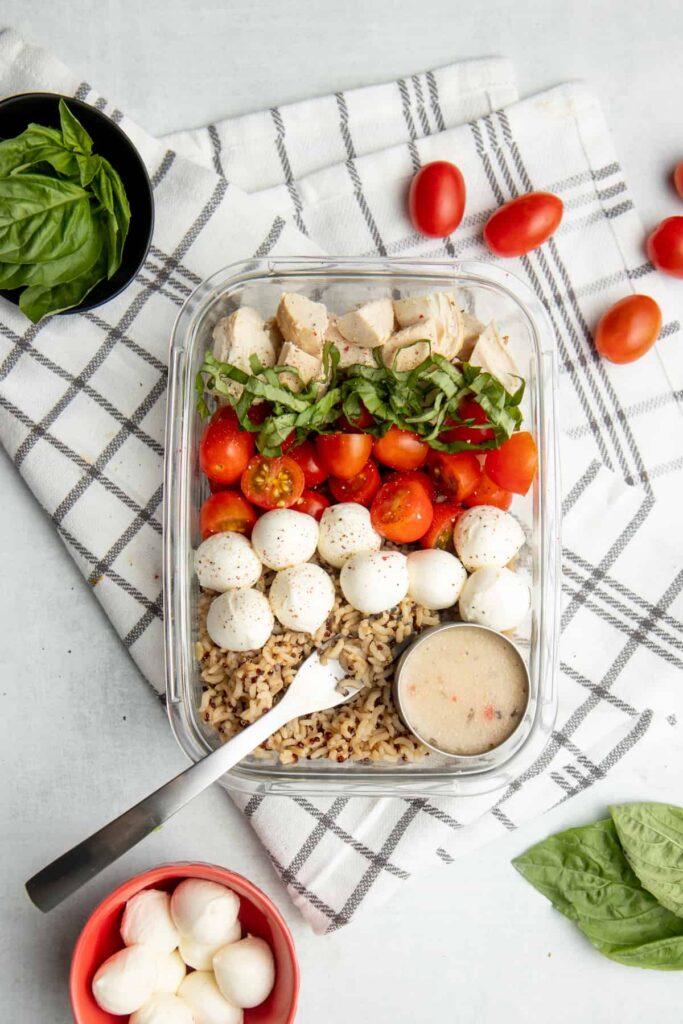
    • Heavy grains or proteins first – rice, quinoa, chana, rajma, grilled paneer or chicken. These are the most moisture-tolerant and act as your base.
    • Sauces and dressings in the centre or on the side – never directly touching delicate ingredients. Use a small silicone cup or a separate tiny container.
    • Roasted or cooked vegetables next – sabzi, roasted sweet potato, sautéed broccoli.
    • Fresh, crunchy toppings last – kachumber, cucumber slices, pomegranate seeds, nuts, seeds, or any raw salad components go right on top, added as close to eating time as possible.
    ⚠️ What Not to Do Never pour dressing over a salad you are storing. Never place watery raita or chutney directly on grains. These are the fastest routes to a soggy lunch.

    Rule 3: Separate the Wet from the Dry

    This is the golden rule of meal prep. Wet and dry ingredients must live apart until you are ready to eat.

    Here is how to make that practical:

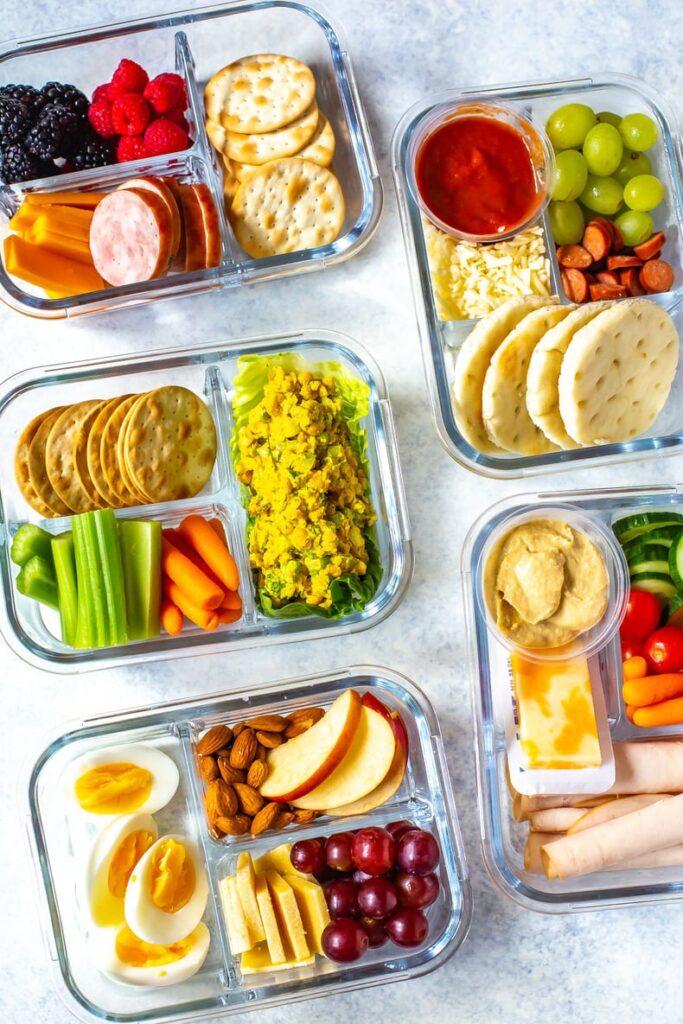
    • Use a bento-style box with multiple compartments so daal does not touch roti.
    • Pack raita, chutney, or dressings in a small separate container. Even a washed empty jam jar works perfectly.
    • If you are packing a wrap or sandwich, keep the filling and the bread or roti separate and assemble at lunchtime. Takes 30 seconds and saves the whole meal.
    • Crispy toppings like roasted chana, murmura, or peanuts should always go into a small zip-lock bag and be added just before eating.

    Rule 4: Choose the Right Ingredients for Meal Prep

    Some ingredients are natural survivors. Others deteriorate fast. Knowing the difference makes your five-day plan much more realistic.

    ✅  Meal Prep Friendly❌  Add Fresh Only
    Brown rice, quinoa, milletsCucumber slices (after day 2)
    Roasted vegetablesDressed salads
    Boiled eggs, grilled chickenAvocado (browns quickly)
    Chana, rajma, lentils (cooked)Fried or crispy items
    Paneer (grilled or baked)Bread / roti (goes rubbery)
    Roasted sweet potatoFresh herbs like coriander

    Rule 5: The Right Container Makes All the Difference

    Not all lunch boxes are created equal. Here is what to look for:

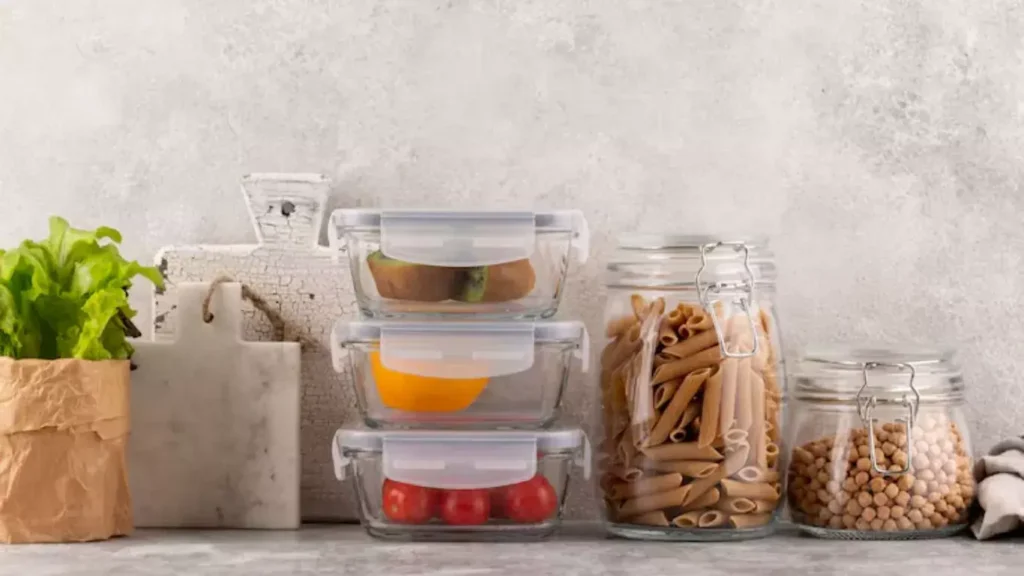
    • Glass containers with airtight lids are the gold standard. They do not absorb smells, do not stain, and keep food fresher longer.
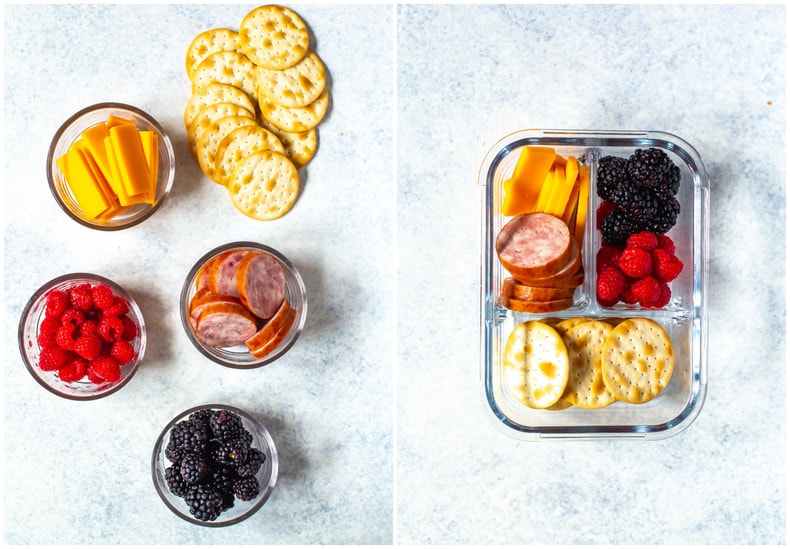
    • Bento boxes with multiple sections are ideal for Indian lunches because you can separate dry roti from wet sabzi without needing extra packaging.
    • Steel dabbas are great for short-term storage (1 to 2 days) but can let air in over time.
    • Avoid flimsy plastic containers. They seal poorly and chemicals can leach into food when reheated.
    💡 Nudge Tip Invest in one good set of glass containers with snap-lock lids. They last for years and genuinely improve how long your food stays fresh. Think of it as a one-time kitchen upgrade, not an expense.

    Rule 6: Moisture Barriers Are Your Best Friends

    If you want to be extra smart about it, use simple moisture barriers between layers. These are things you probably already have at home:

    • A paper towel or muslin cloth placed over leafy greens absorbs excess moisture and keeps them crisp. Remove before eating.
    • Lettuce or large cabbage leaves can act as a natural barrier between wet and dry layers.
    • A thin layer of olive oil brushed on cut vegetables slows oxidation and moisture release.
    • Lime juice on cut fruits prevents browning and adds flavour.

    A Simple 5-Day Lunch Prep Plan (Indian Edition)

    Here is an example of how a whole week’s worth of lunches can come together in under two hours on a Sunday:

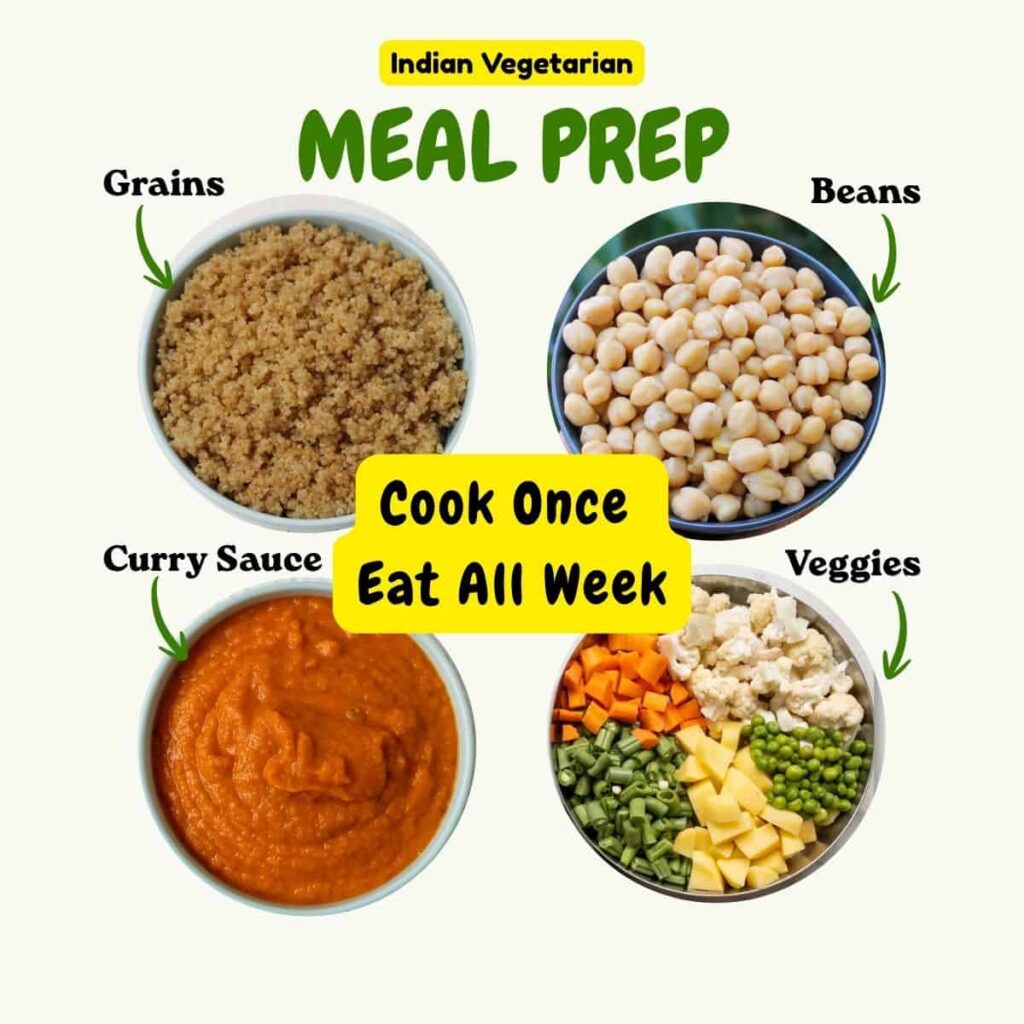
    • Cook a big batch of brown rice or millets and store in one large container.
    • Roast two trays of mixed vegetables (broccoli, capsicum, sweet potato) with cumin and olive oil.
    • Boil a pot of chana or rajma with basic spices.
    • Make a small jar of green chutney or a dressing (keep separate).
    • Wash and dry your salad greens and store with a paper towel in a container.
    • Each morning, assemble your box in five minutes: grains at the base, sabzi or chana on top, fresh salad in a separate section, dressing on the side.

    This way, the prepped components stay fresh for four to five days and nothing goes soggy because nothing is combined until eating time.

    Quick Recap: The No-Soggy Lunch Checklist

    • Cool food completely before sealing containers
    • Layer from heavy grains at the bottom to fresh ingredients on top
    • Keep dressings, raita, and chutney in separate small containers
    • Use bento boxes or multi-section containers
    • Add crispy toppings only right before eating
    • Use paper towels or natural barriers between wet and dry layers
    • Assemble wraps and sandwiches fresh, not in advance

    Meal prep is not about making your life harder. It is about making your week simpler so that eating well becomes something that just happens automatically, without you having to think about it every afternoon.

    Once you crack your storage system, it gets easier every week. You will spend less time panicking over what to eat and more time actually enjoying food that makes you feel good.

    Start small. Prep three days. See how it feels. Then build from there.

    That’s the Nudge way — small steps, real progress, no pressure.

    Explore More on Nudge

    • 5 Easy High-Protein Indian Breakfasts You Can Prep the Night Before
    • Healthy Food Swaps That Don’t Compromise on Taste
    • The Beginner’s Guide to Reading Nutrition Labels in India

    NUDGE — Wellness that fits your real life.
  • How Do You Build a Daily Wellness Plan That Actually Sticks?

    Reading time: 6 min | Category: Mindful Lifestyle & Habits

    Let’s be honest — you’ve probably started a “new routine” at least once.

    You woke up early, drank warm lemon water, planned to go for a walk, maybe even downloaded a fitness app. And then… life happened. By day four, the streak was broken, and somewhere between a busy morning and a late-night snack, the whole plan quietly disappeared.

    Sound familiar? You’re not alone.

    The problem isn’t your willpower. The problem is the plan itself.

    Most wellness routines fall apart because they’re built on motivation — and motivation is unreliable. What actually keeps you going is having a plan that’s designed to stick. One that fits your actual life, not an idealized version of it.

    That’s exactly what we’re going to build today.

    Why Most Wellness Plans Fail Before the First Week Is Over

    Here’s what a typical “new routine” looks like:

    “Starting Monday: wake up at 6 AM, meditate, go to the gym, eat clean, drink 3 litres of water, sleep by 10 PM.”

    It sounds great on a Sunday night. But by Wednesday morning, when your alarm goes off and you’re already running late, that plan feels impossible — and you haven’t even started.

    The issue? Vague goals feel inspiring but give you nothing to act on.

    “Eat clean” – what does that mean exactly? “Get fit” – how will you know when you’ve gotten there? “Be healthier” – by when? How much? Starting with what?

    This is where SMART goals come in.

    Enter SMART Goals – Your Wellness Plan’s Best Friend

    SMART is a simple framework for turning vague wishes into goals you can actually follow through on. Each letter stands for a quality your goal should have:

    S – Specific
    M – Measurable
    A – Achievable
    R – Relevant
    T – Time-bound

    Let’s break each one down with real, everyday examples — because your wellness plan should feel relatable, not like a corporate presentation.

    S – Specific: Know Exactly What You’re Going After

    A goal like “I want to eat healthier” gives your brain nothing to work with. A specific goal tells you the what, the how, and sometimes even the when.

    Vague: I want to eat better. Specific: I will swap my evening packet of chips with a small bowl of makhana or roasted chana, three times a week.

    See the difference? One is a wish. The other is a plan.

    When building your wellness routine, get specific about each habit. Instead of “I’ll exercise more,” try “I’ll go for a 20-minute walk every morning before breakfast.”

    M – Measurable: Track It So You Can Celebrate It

    If you can’t measure it, you can’t know if it’s working — or if you’ve actually achieved it. Measurable goals also give you small wins along the way, which is what keeps you going.

    Vague: I want to drink more water. Measurable: I will drink 6 glasses of water every day, and tick it off on my phone’s notes app each evening.

    Progress is motivating. Seeing those ticks adds up. Even the smallest check-in tells your brain: I did the thing today.

    A – Achievable: Be Honest with Yourself (And Kind About It)

    This is where most ambitious wellness plans crash. Going from zero activity to a 1-hour gym session every single day is not sustainable for a beginner — and setting yourself up to fail is the fastest way to quit.

    Achievable doesn’t mean easy. It means realistic for where you are right now.

    Unrealistic: I will work out for an hour every day, starting tomorrow. Achievable: I will do a 15-minute YouTube beginner yoga session every alternate morning for the next two weeks.

    Once you’ve built that consistency, you level up. That’s how sustainable progress works.

    R – Relevant: Make It Matter to Your Life

    Your wellness goals should connect to something you actually care about — not what you think you should want based on what you see online.

    Ask yourself: Why does this goal matter to me right now?

    If your real concern is low energy through the day, then a goal around better sleep or an earlier dinner is far more relevant than forcing yourself to run 5K every morning.

    Irrelevant to your life: I’ll cut out all sugar immediately. Relevant to your situation: I’ll skip the post-lunch chai with two spoons of sugar and switch to a plain green tea or black coffee three days a week, because my afternoon energy crashes are affecting my focus.

    When a goal connects to something personal — your energy, your mood, your confidence — it feels worth sticking to.

    T – Time-Bound: Give It a Deadline (Even a Small One)

    Open-ended goals never happen. “I’ll start soon” is the enemy of every wellness plan ever made.

    A time-bound goal creates a gentle sense of urgency and helps you actually schedule the habit into your week.

    Open-ended: I want to start walking more. Time-bound: I will walk for 20 minutes every morning this week — Monday to Friday — and reassess on Sunday.

    A one-week checkpoint feels manageable. It removes the pressure of committing to “forever” and lets you adjust as you go.

    Putting It All Together: Your First SMART Wellness Day Plan

    Here’s what a beginner’s SMART daily wellness plan might look like. Keep it small, keep it real:

    Morning (15–20 mins) Go for a brisk 20-minute walk three mornings a week – Monday, Wednesday, Friday – for the next two weeks.

    Hydration Drink one glass of water before every meal. That’s three guaranteed glasses without even trying.

    Food Replace one packaged snack per day with a fruit, handful of nuts, or a smoothie – whichever feels easiest to start with.

    Wind Down Put your phone down 30 minutes before bed at least four nights a week. No strict rules – just a gentle intention.

    Weekly check-in Every Sunday, spend five minutes asking yourself: what worked? What felt too hard? Adjust and go again.

    That’s it. Simple, doable, and actually kind to yourself.

    One Last Thing Before You Start

    You don’t need to overhaul your entire life in a week.

    Wellness isn’t a destination you sprint toward – it’s a direction you walk in, a little more consistently each day. The goal isn’t perfection. It’s progress that you can sustain.

    Start with one SMART habit. Get comfortable with it. Add another when you’re ready.

    The version of you that builds small consistent habits will go a lot further than the version who attempts everything at once and burns out by Thursday.

    You’ve got this. One nudge at a time.

    Want help figuring out where to actually begin? Browse our beginner-friendly guides on movement, food, and mindful habits – designed for real life, not picture-perfect mornings.

    Tags: #WellnessForBeginners #SMARTGoals #HealthyHabits #MindfulLiving #NudgeWellness #BeginnerFitness #HealthyLifestyleIndia

  • 10 Easy Healthy Food SwapsThat Actually Taste Good

    Small changes to everyday eating that improve how you feel — without making mealtimes miserable. No deprivation, just smarter choices.

    The most dangerous word in nutrition is “never.” Never eat bread. Never have sugar. Never touch anything fried. This kind of all-or-nothing thinking is why most people’s relationship with food is quietly exhausting.

    Here’s a gentler, more effective approach: swap, don’t eliminate. Keep eating the things you love — just shift them slightly toward better versions of themselves. The flavour stays. The habit stays. The guilt quietly disappears.

    These ten swaps are the ones that actually work in real life. They’re not about perfection. They’re about making your everyday eating a little more nourishing, one meal at a time.

    “You don’t have to eat perfectly to eat better. Progress lives in the space between your current habits and slightly improved ones.”

    The 10 Swaps

    1 White bread→Multigrain or seeded bread

    White bread is stripped of fibre and most of its nutrients during processing. Multigrain varieties keep you fuller longer, stabilise blood sugar more effectively, and bring actual flavour — seeds, nuttiness, a bit of chew — that white bread simply doesn’t have. Your sandwiches will thank you.

    2 Refined sugar→Jaggery or raw honey

    Refined white sugar offers nothing but sweetness and a blood sugar spike. Jaggery — a staple in Indian kitchens — retains iron, calcium, and magnesium from sugarcane. Raw honey has antimicrobial properties and a more complex flavour. Both sweeten your chai, desserts, or dressings beautifully. Use slightly less, since both are richer in taste.

    3 Fried snacks→Roasted or air-fried alternatives

    The satisfying crunch you’re craving is mostly about texture, not the frying itself. Roasted chana, makhana (fox nuts), roasted peanuts, or air-fried versions of your favourite snacks deliver the same experience with dramatically less oil. Season generously with chaat masala, pepper, or lime — the flavour more than holds up.

    4 Cola and sugary drinks→Smoothies or nimbu pani

    A single can of cola contains roughly 35 grams of sugar — almost your entire daily recommended amount in one drink. A homemade smoothie with banana, spinach, and coconut water gives you fibre, potassium, and hydration. Fresh nimbu pani with a pinch of rock salt is electrolyte-rich, refreshing, and costs almost nothing. The switch is easier than you think, especially in summer.

    5 Full-fat cream in cooking→Thick curd or coconut milk

    Heavy cream adds richness but very little nutrition. Thick, hung curd adds the same creamy texture to gravies, dips, and marinades while contributing protein and probiotics. Coconut milk is a brilliant swap for curries — it’s naturally creamy, slightly sweet, and brings its own depth of flavour that cream simply can’t match.

    6 Flavoured yoghurt→Plain curd with fresh fruit

    Flavoured yoghurts often contain more sugar than a small dessert, despite the healthy packaging. Plain curd with a handful of fresh mango, berries, or sliced banana tastes just as good — and you control exactly what goes in. Add a drizzle of honey and a pinch of cardamom for something genuinely special.

    7 White rice every meal→Mix in millets or brown rice occasionally

    You don’t have to give up rice — just don’t eat it exclusively. Millets like jowar, bajra, and ragi are nutritional powerhouses: high in fibre, iron, and complex carbohydrates. Try replacing one rice meal a week with a millet khichdi or roti. Once you find preparations you enjoy, you’ll add more naturally.

    8 Refined cooking oil→Cold-pressed or mustard oil

    Refined oils are heavily processed and often contain trans fats from the refining process. Cold-pressed groundnut, sesame, or coconut oil retains its natural nutrients and flavour. Mustard oil — a traditional staple — has excellent heart-healthy properties and a pungency that transforms simple dal and sabzis. Switch gradually; your palate will adjust.

    9 Packaged biscuits for snacking→Fruit with nut butter or a handful of nuts

    Packaged biscuits are engineered to be difficult to stop eating — high sugar, refined flour, and just enough salt to keep you reaching in. A banana with a spoon of peanut butter, or an apple with a small handful of almonds, satisfies hunger more effectively, keeps blood sugar stable, and doesn’t leave you feeling vaguely guilty twenty minutes later.

    10 Sugary morning chai ritual→Reduce sugar, add spice

    Nobody’s asking you to give up chai. But two teaspoons of sugar per cup, four times a day, adds up quietly. Try halving the sugar and doubling the ginger, cardamom, or cinnamon instead. The warmth and flavour deepen considerably — you may find you don’t miss the sweetness at all, just the ritual. And the ritual stays entirely intact.

    A Word on Making Swaps Stick

    Don’t try all ten at once. Pick one. Just one. Whichever feels easiest or most appealing. Do it consistently for two weeks until it stops feeling like a swap and starts feeling like just… what you do. Then add another.

    This is the entire philosophy of Nudge distilled into an eating strategy: small, layered changes that compound quietly over months into a genuinely different — and genuinely enjoyable — relationship with food.

    Remember this

    One healthier meal doesn’t make you healthy. One unhealthy meal doesn’t make you unhealthy. It’s the pattern across weeks and months that shapes how you feel. Be patient with yourself. The swaps add up.

    Wellness isn’t about eating foods you hate in quantities that leave you hungry. It’s about finding the version of nourishment that fits your life, your taste buds, your culture, and your budget. These swaps are a starting point — not a prescription.

    Start with swap number one. Let it become boring. Then come back for number two.

    Want to take it further?

    Explore our beginner smoothie recipes and simple meal ideas — designed for real kitchens and real schedules.

  • How to Start Your Fitness JourneyWithout Feeling Overwhelmed

    No extreme diets. No punishing routines. Just an honest, gentle plan for anyone who wants to feel better — starting from exactly where they are.

    Let’s be honest about something. Most fitness advice on the internet is written for people who are already fit. The “beginner” plans are often 45-minute high-intensity sessions five days a week, paired with meal plans that require you to prep food for three hours every Sunday and never eat anything remotely enjoyable again.

    No wonder people quit. They’re not lacking willpower — they’re following advice that was never designed for them in the first place.

    This post is different. It’s for the person who feels breathless after climbing a flight of stairs and doesn’t know where to start. For the one who’s tried and stopped before, and feels guilty about it. For anyone who genuinely wants to feel better but finds the whole world of fitness deeply, unnecessarily intimidating.

    You don’t need a gym membership. You don’t need expensive equipment. You don’t need to overhaul your entire life by Monday. You just need a nudge.

    “The goal isn’t to go from zero to athlete. The goal is to go from zero to someone who moves a little more than they did last week.”

    Why Starting Small Is the Smartest Thing You Can Do

    There’s a fascinating principle in habit research called the “minimum effective dose.” It’s the smallest amount of something that still produces the desired result. In fitness, chasing more than your minimum effective dose too soon is exactly what leads to burnout, injury, and abandonment.

    When you’re new to movement, almost anything works. A twenty-minute walk every day will genuinely change your cardiovascular fitness, improve your sleep, lower your resting heart rate, and boost your mood. A few minutes of stretching each morning will improve your flexibility, reduce back pain, and make your body feel more like something you inhabit rather than something you carry around.

    These don’t sound like results. They are results. The mistake is assuming results have to hurt.

    Start With Walking

    Walking is the most underrated form of exercise on the planet. It’s low-impact (kind to your joints), accessible (you already know how), free, and cumulative — ten minutes here, ten minutes there genuinely adds up across a week. Start with a 20-minute walk three times a week. That’s it. No performance targets. No pace goals. Just go outside and walk.

    Add Gentle Stretching

    After your walk, spend five to eight minutes stretching. Focus on your hips, hamstrings, shoulders, and neck — the places most people hold tension from sitting at desks or looking at screens. YouTube has excellent beginner stretch routines. Follow one. Don’t push to the point of pain. Breathe slowly. This isn’t yoga philosophy — it’s just your body asking for a bit of care.

    Nudge tip

    Attach your new habit to something you already do. Walk after your morning chai. Stretch while your laptop boots up. Habits stick when they have anchors.

    The Truth About Diets (and Why You Should Ignore Most of Them)

    Here is the summary of every extreme diet that has ever trended: drastically restrict something, feel great for two weeks, feel terrible for four, give up, feel guilty, repeat.

    The fitness industry profits enormously from this cycle. If diets worked long-term, people would stop buying them.

    What actually works is far less exciting to market: eat mostly whole foods, drink enough water, reduce ultra-processed food gradually, and stop treating meals as either fuel or sin. Food is nourishment and also culture and also pleasure. A plan that removes all three of those things isn’t sustainable — it’s just suffering with a hashtag.

    For now, don’t change your diet at all. Focus on movement first. Once that feels stable, we’ll talk about gentle, enjoyable food adjustments that compound over time. That’s the Nudge approach — one layer at a time.

    The Only Thing That Actually Matters: Consistency

    Consistency is the most powerful force in fitness, and it is built on boring repetition, not dramatic effort. The person who walks for twenty minutes four times a week for six months will see more change than someone who does an intense six-week program and then stops entirely.

    Here’s what makes consistency easier:

    Lower the bar so far that missing feels ridiculous. If your goal is a 20-minute walk, and you’re tired, do a 10-minute walk. Half isn’t failure — it’s maintenance. It keeps the habit alive for the day you feel ready for the full version again.

    Track streaks, not performance. Don’t log your speed or distance yet. Just put a tick on a calendar for every day you moved. Streaks create identity. After thirty ticks, you start thinking of yourself as someone who moves — and that shift in self-perception is everything.

    Celebrate boring wins. You showed up on the day you didn’t want to. That’s the most important day. Notice it. Acknowledge it. Tell someone. It deserves more credit than a personal best.

    Your Beginner Weekly Plan

    This plan is deliberately easy. That’s intentional. Master this before you add anything else.

    Monday

    20-min walk

    Moderate pace, outdoors if possible

    Tuesday

    Active rest

    Light stretching, 8 mins

    Wednesday

    20-min walk

    Try a new route, stay curious

    Thursday

    Rest day

    Fully off — recovery matters

    Friday

    25-min walk

    Add 5 mins from week 2 onward

    Saturday

    Bodyweight basics

    10 squats, 10 wall push-ups, 30s plank

    Sunday

    Rest + reflect

    Note how your body felt this week

    Do this for four weeks before changing anything. Four weeks of this, consistently, will already make you feel different. Not transformed — different. Lighter. More awake. A little more in your body.

    That’s your nudge. Take it.

    Ready for week one?

    Save this plan, lace up, and take a 20-minute walk today.